
When ‘Balance’ Tips the Scales
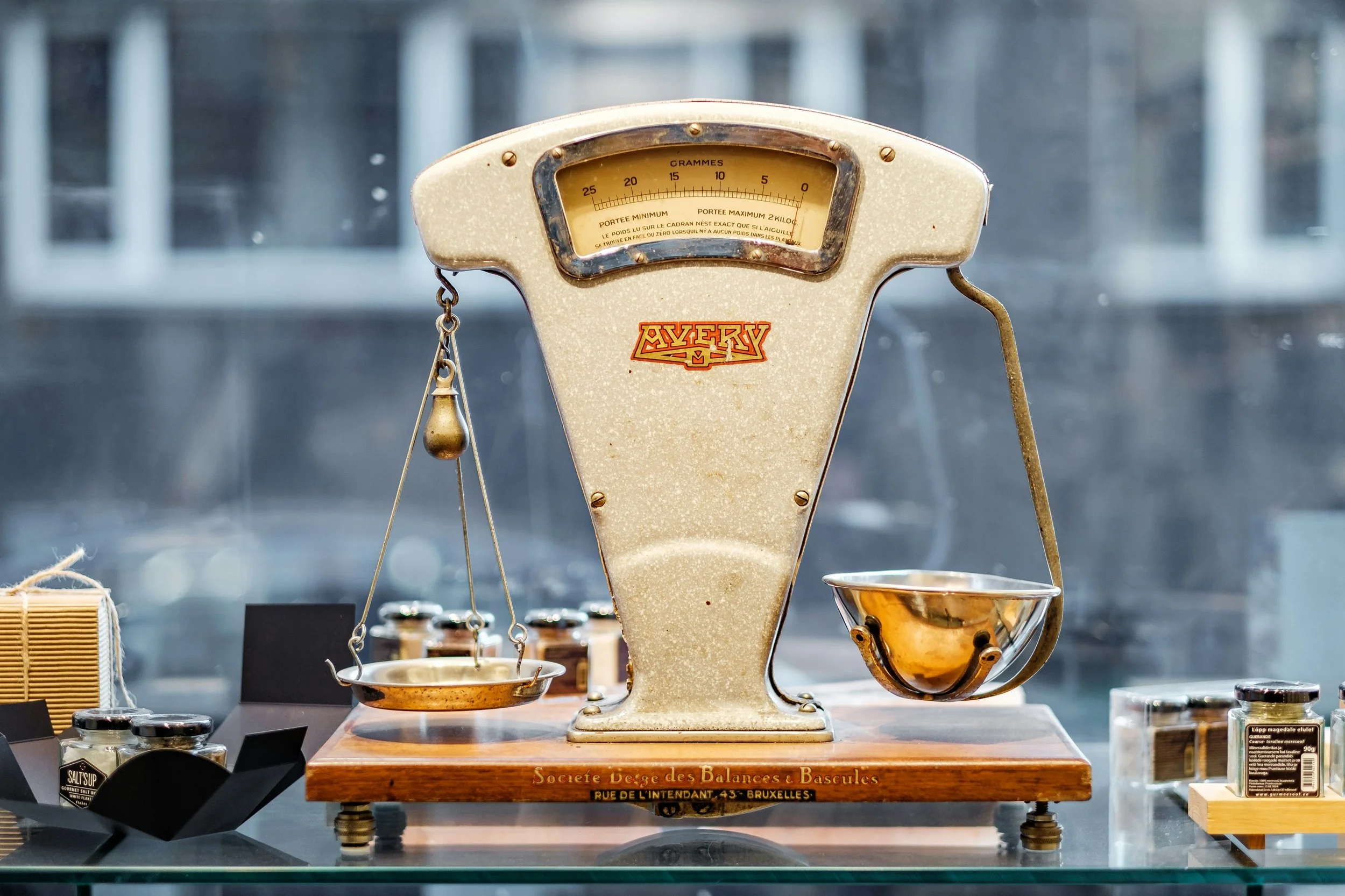
Photo by Piret Ilver on Unsplash
I’ve been giving a lot of thought to Uytae Lee’s recent keynote speech at the annual conference of the Planning Institute of British Columbia and Yukon in Penticton—in particular, the quote he shared, that he attributed to Dr. Jill Grant of Dalhousie’s Master of Planning program:
“The word ‘balance’ is a great container to hold [planning’s] tradeoffs… and present it as consensus.”
This has been haunting me.
I feel like I was hiding this penchant to use the word “balance” in my own professional planning career, from myself, for the past quarter century. But hearing this quote aloud, earlier this month, I’ve been wrenched out into bright sunlight, with my sunglasses forgotten on the dash. Caught out. Blinking my eyes. Feeling regret.
Because “balance” is one of those words that makes planning sound so calm and measured. It suggests a set of scales, evenly weighted. It suggests fairness. Reasonableness. It is a word that arrives in a sensible cardigan.
And yet, in planning, the scales are not always as level as we make them sound.
It’s not as if Dr. Grant, or Uytae Lee—or I—are saying that there is anything wrong with finding ways to balance competing interests and values. That’s what we do, as professional planners, after all. That’s what our profession is all about, at least on its better days: a public effort to make room for multiple needs, constraints, histories, fears, hopes, parking demands, housing shortages, and the occasional person at the microphone who has brought a binder.
But sometimes we let words like “balance” do too much heavy lifting. We use it when we should be more transparent, honest, and real about the intense tradeoffs that are at play and being contended with.
Because balance often hides the most important question: balanced for whom?
Balancing housing need and neighbourhood character may sound calm and grown-up, until we ask who currently gets to live in that neighbourhood, who has already been priced out, and whose children will never have the chance. Balancing tree retention and new homes sounds reasonable, too—until we ask whether the tradeoff is real, whether better design could make all the difference, or whether the word “balance” is being used to avoid saying that one set of needs is being sacrificed for another.
Balancing the interests of drivers, cyclists, transit users, and pedestrians sounds like a noble objective. But a “balanced” street can still leave the person walking with a sliver of sidewalk, the cyclist with a painted line and a prayer, the transit rider stuck in traffic, and the car still quietly occupying most of the room.
This is where I feel caught out. I probably typed “balance” into staff reports with the confidence of someone placing a tasteful throw pillow on a complicated public policy problem.
And I don’t think I was being dishonest. Most planners aren’t. We are often trying to be careful. We are trying not to inflame. We are trying to acknowledge complexity. We are trying to hold space for competing public goods without sounding like we have already chosen a side.
But maybe that is exactly the problem.
Sometimes we have chosen a side. Or council has. Or the budget has. Or the land market has. Or the transportation model has. Or the provincial legislation has. Or the inherited pattern of privilege baked into the city has. And instead of naming that, we say we are “balancing” interests.
What would happen if we were more direct? If, instead of saying “balance,” we said: this choice advances housing, but reduces certainty for nearby homeowners. Or: this street redesign still gives most of the space to cars, but offers slightly better conditions for everyone else. Or: this policy protects trees here, but pushes needed homes somewhere else. The language would be clunkier. Less soothing. More likely to make someone shift in their chair.
But maybe that’s the point. Planning will always involve tradeoffs; there is no magical diagram in which every arrow points toward affordability, beauty, tree canopy, mobility, heritage, tax stability, and excellent coffee. We are always weighing. I don’t think we need to banish “balance” from the planning vocabulary altogether. I do think we need to stop letting it end the conversation. Because when “balance” tips the scales, it usually tips them quietly—and often in favour of the weight already there.
